
CATEGORY BENEFITS
The Reference Method
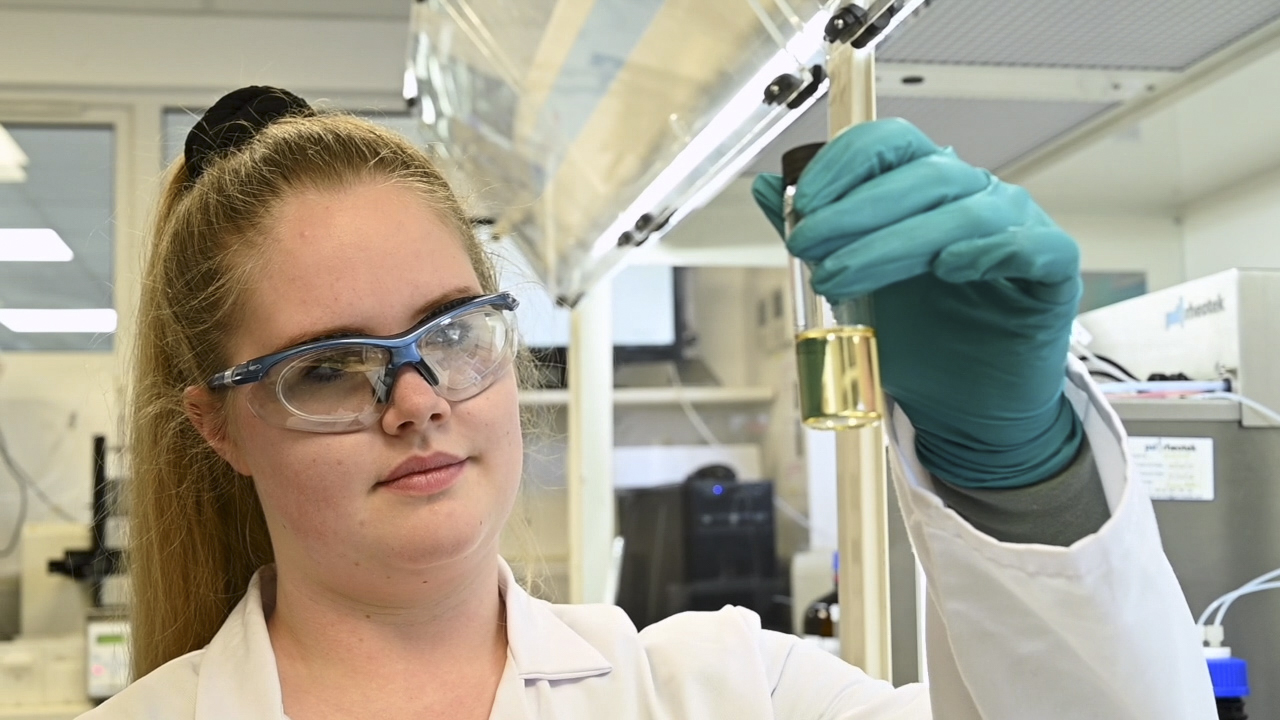
Capillary viscometers are precision instruments used to determine the kinematic viscosity of liquids. Despite advances in viscometry technologies, capillary methods remain the reference standard in many industries due to their accuracy, repeatability, and alignment with international standards.
The Principle of Capillary Viscometry
A capillary viscometer measures how long a liquid takes to flow between two calibrated marks under the influence of gravity at a controlled temperature. The flow time and the instrument’s calibrated constant are used to calculate kinematic viscosity.
Capillary sizes and Selection
Capillary viscometers are manufactured with diff erent internal bore sizes to suit a range of viscosities. Lower viscosity samples use narrow capillaries; higher viscosity samples use wider bores. Standardized selection methods aim for a flow time long enough to ensure precision — typically targeting a range where flow time is repeatable and measurable.
International Standards and Practices
Capillary viscometry is governed by in international standards, including:
- ASTM D445
- ISO 3104
- DIN 51562
These standards define procedures for measurement, temperature control, and viscosity calculation. Many regional and industry specifications refer to one of these standards for viscosity determination.
Practical Use in Laboratories
To perform a capillary test:
- Select an appropriate viscometer size
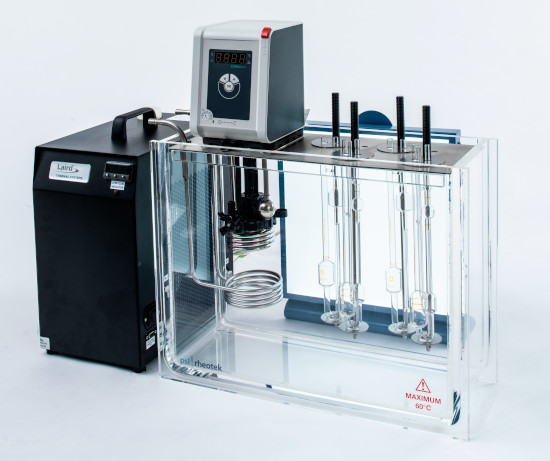
- Place it in a holder and lower it in a constant temperature bath
- Determine the flow time using a calibrated stopwatch
- Convert the flow time to kinematic viscosity using the calibrated viscometer constant of the specific capillary tube.
Why Capillary Methods Still Matter
Capillary viscometry remains relevant because it:
- Offers exceptional accuracy
- Is entrenched in global standards
- Provides direct comparability across labs
- Requires minimal complex calibration equipment outside controlled baths
Link to Practical Instruments
For specific instruments, accessories, and configurations:
👉 PSL Rheotek Webshop – Glass Viscometers
This page focuses on conceptual foundations and practical understanding.
FAQ
You asked, we answered
Are capillary viscometer results repeatable across labs?
Yes — with standardized methods and calibrated equipment, capillary viscometry is one of the most reproducible techniques.
Why use a constant temperature bath
Viscosity is highly temperature-dependent; controlled baths ensure consistent measurement conditions.
Can any liquid be measured with a capillary viscometer?
Most Newtonian liquids can. For complex fluids or non-Newtonian behavior, alternative methods may be considered.
CUSTOM SOLUTIONS
Do you need a custom product for your custom requirements?
We listen to customer challenges. Each PSL Rheotek viscometer system is configured for the owner. A wide variety of international test method protocols are readily available in the software. Company specific method protocols are also supported.